





CIAM General Assembly in Buenos Aires: Music, Cultural Diversity and Creators’ Rights
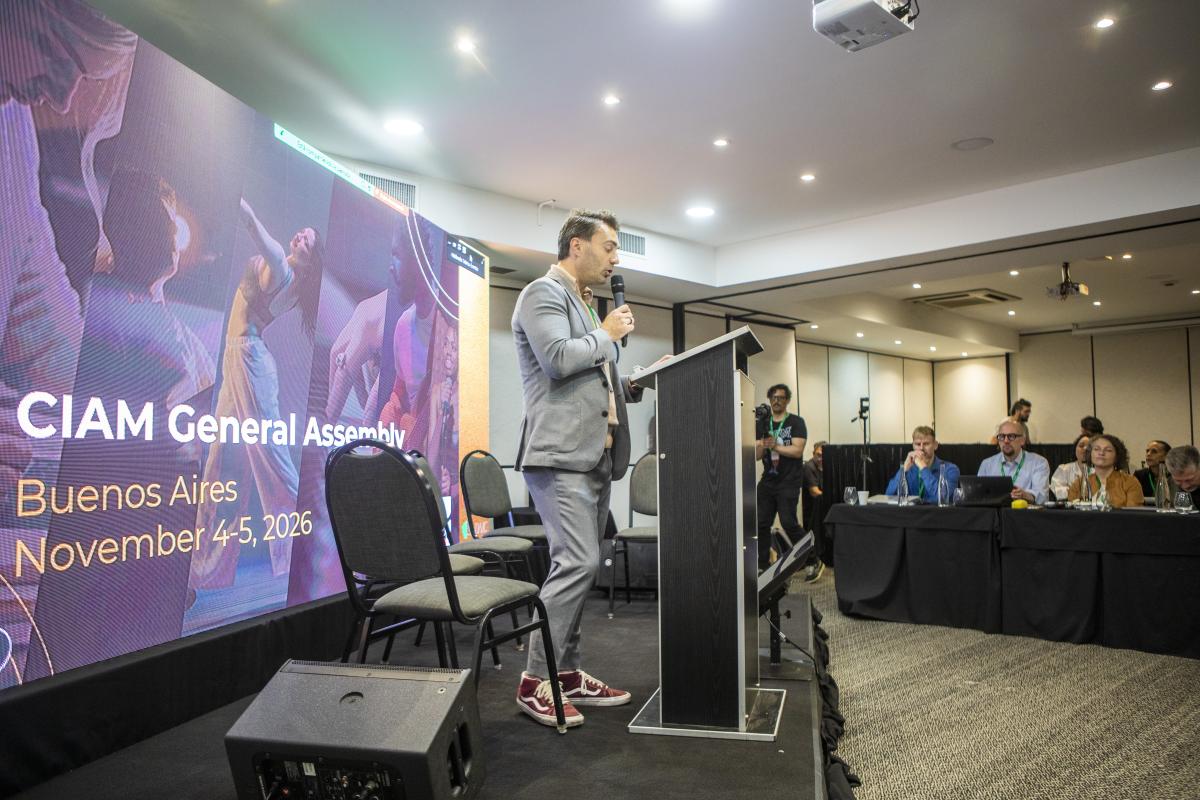
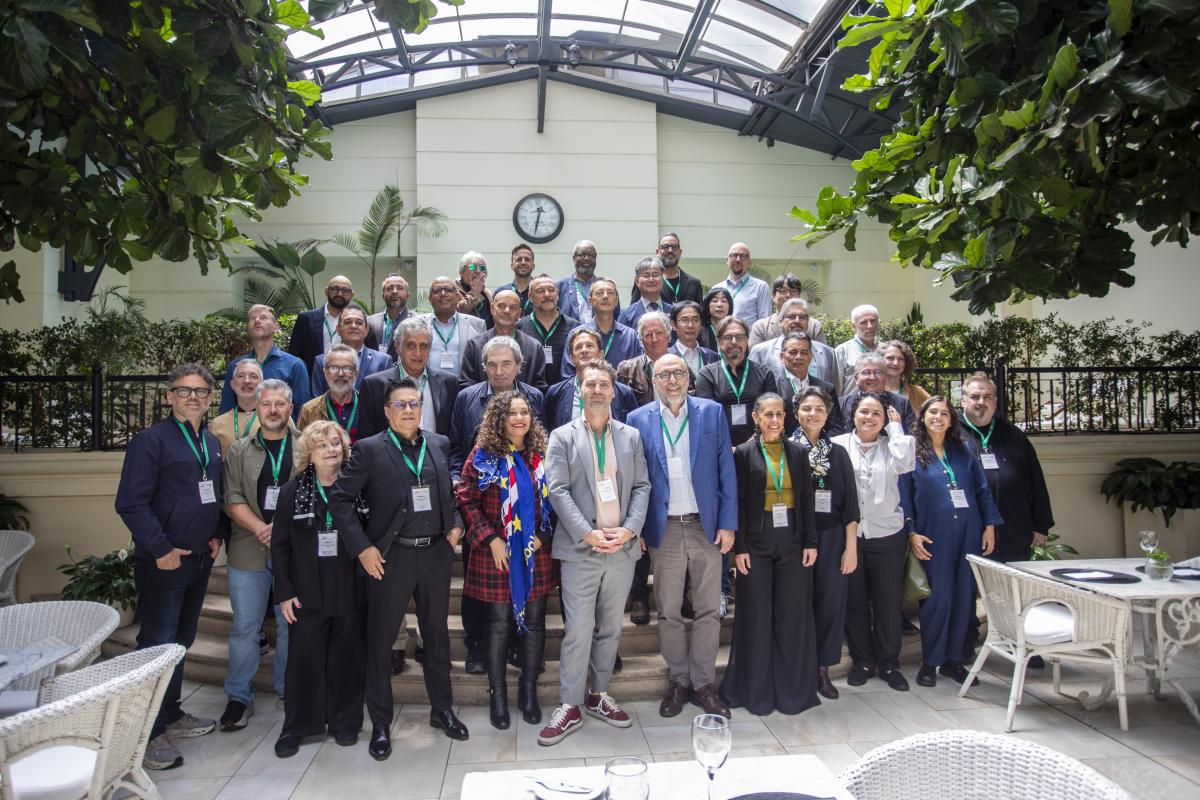
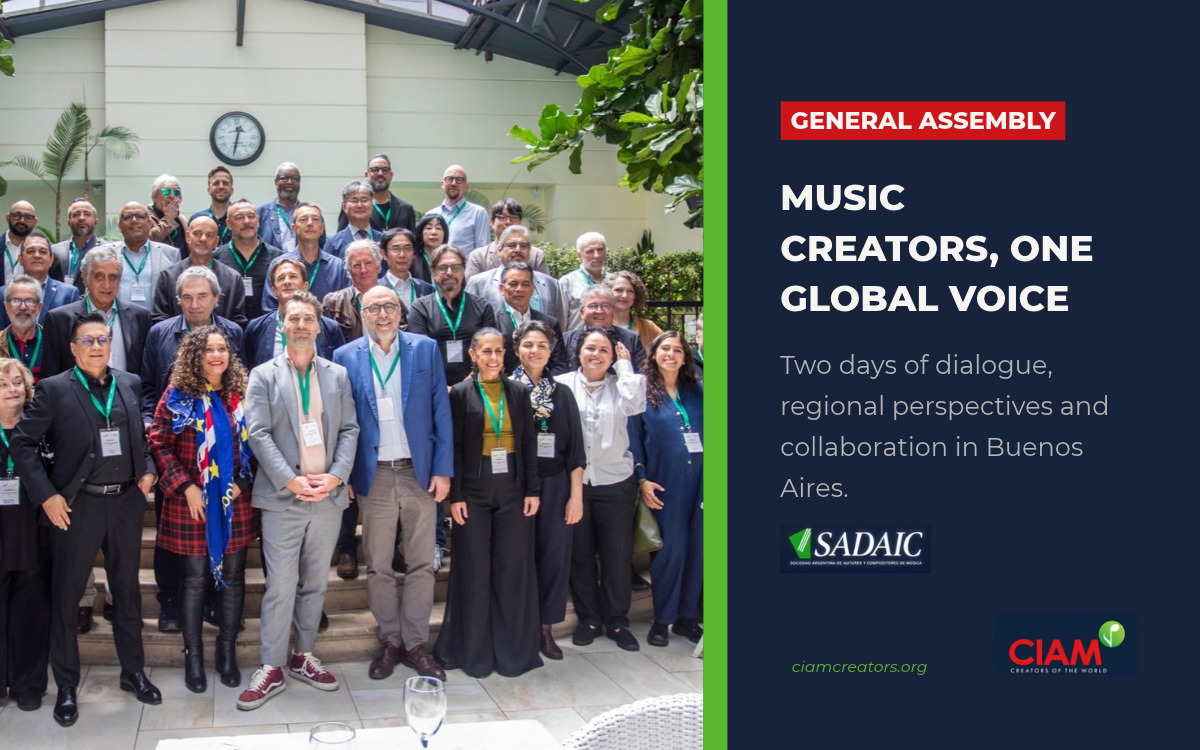
The International Council of Music Creators (CIAM) brought together music creators and representatives from across the international music community in Buenos Aires, Argentina, on 4-5 November 2026, for its General Assembly, hosted by SADAIC.
Over two days, discussions focused on the opportunities and challenges facing music creators, from the international influence of Latin American music to the impact of artificial intelligence on creators’ rights, attribution and cultural diversity.
Latin America: a region with a growing global influence
Opening the General Assembly, CIAM President Arriën Molema highlighted the region's rich musical traditions and its growing influence on the international music landscape.
Figures presented in his opening address illustrated this momentum: music collections across Latin America and the Caribbean reached a record €785 million in the previous year. He also pointed to the international reach of Latin American music, noting how artists are increasingly finding audiences beyond their home markets while retaining the language and cultural identity that shape their work.
This growth also raises important questions about how creators can benefit fairly from the international success of their music.
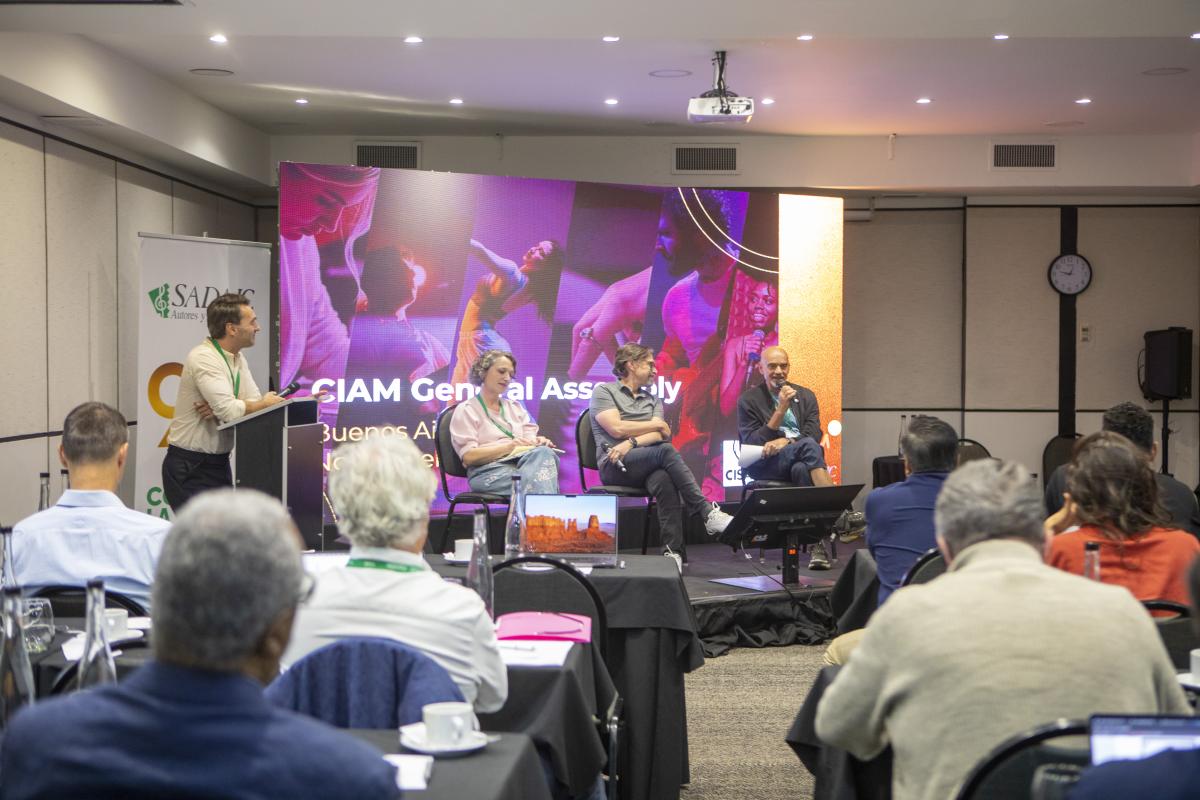
The first day therefore placed the Latin American region at the centre of the discussions. A panel on the challenges and opportunities for creators and collective management brought together perspectives from across the region, with contributions from Juca Novaes (ABRAMUS/ALCAM), Diego Drexler (AGADU), Guillermo Ocampo (SADAIC) and Miguel Angel Diani (ARGENTORES), moderated by Rafael Fariñas.
Further sessions explored regional partnerships, the experiences of Hispanic diaspora writers, and the evolving market for music catalogues.
Artificial intelligence, attribution and cultural diversity
On the second day, attention turned to artificial intelligence and its implications for music creators.
The programme included the presentation of ALCAM's AI study, followed by discussions on the challenges AI presents to Latin American creators and the importance of preserving cultural diversity as these technologies develop.
Sessions also addressed AI attribution solutions and the latest technological and legal developments, with contributions from representatives of the international music community.
The discussions reflected a central question raised by Arriën Molema in his opening address: how can creators retain agency, receive fair remuneration and ensure that their music is properly recognised when it is used in AI systems?
Transparency around training data, alongside effective licensing, remuneration and legal solutions, remains essential to addressing these challenges.
Recognising creators and bringing the discussions back to music
The General Assembly also included the Fair Trade Music Initiative (FTMI) Awards, recognising Rick Carnes and Pia Raug for their outstanding contributions to music creators.
The programme concluded with a listening session featuring songs from the ALCAM writing camp, moderated by Diego Drexler. The session offered an opportunity to bring the discussions back to the creative work at the heart of CIAM's mission.
Strengthening the international voice of music creators
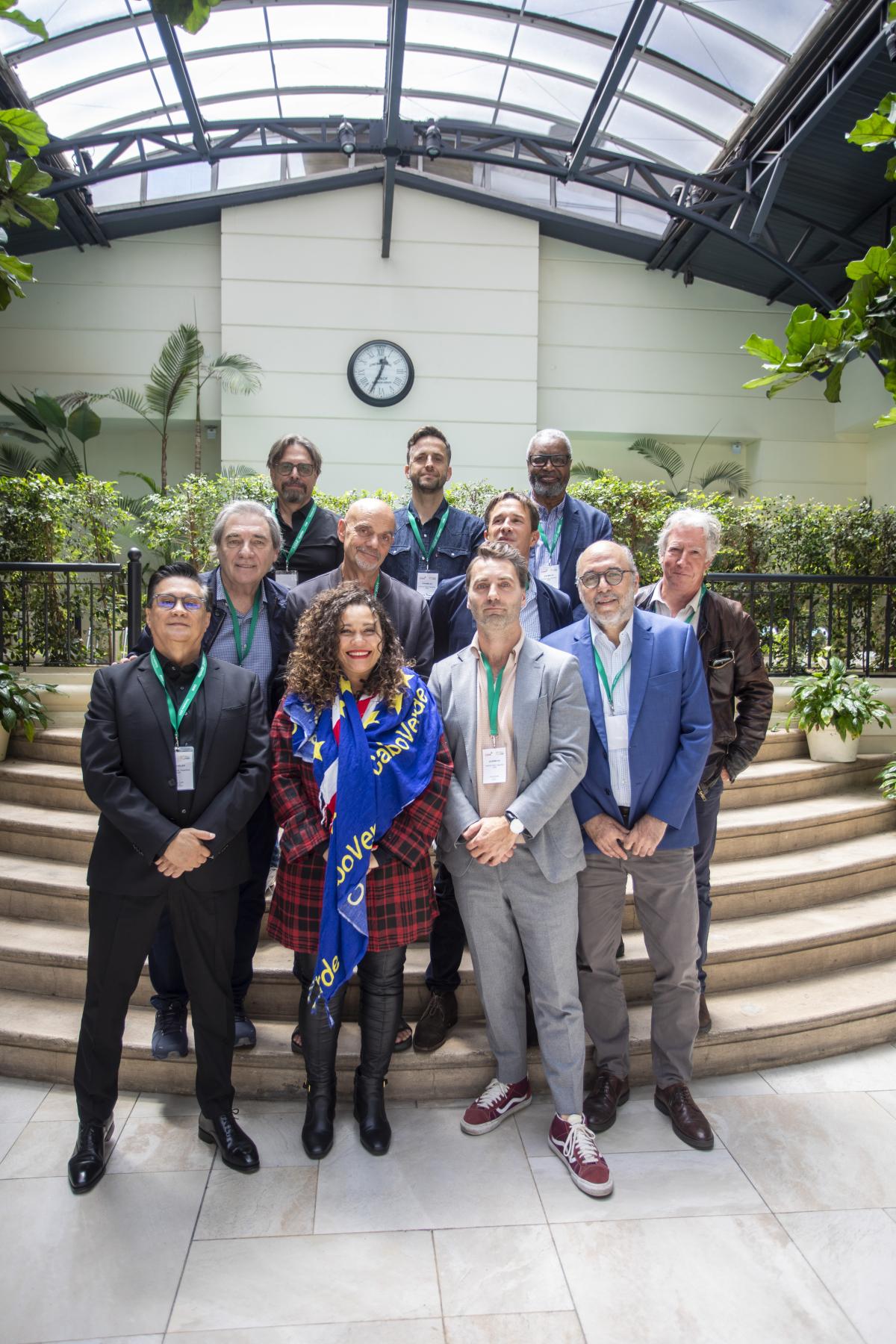
The General Assembly also marked the announcement of CIAM's newly elected Executive Committee and Presidency for the 2026-2028 term, following the online elections.
CIAM thanks SADAIC for hosting the meeting and extends its appreciation to all speakers, panellists and participants whose contributions made the two days of discussion and exchange possible.
Bringing together perspectives from different regions remains central to CIAM's work: strengthening international cooperation, addressing shared challenges and ensuring that music creators' rights and interests are represented worldwide.